Application of Delamps Collaborative Robots in Automotive Parts Assembly
With the new energy transformation of the automotive industry and the accelerated iteration of vehicle models, the production of auto parts has featured multi-variety, small-batch and mixed-line manufacturing. Traditional manual assembly comes with high labor intensity and monotonous repetitive operations, accompanied by prominent production and management pain points such as unstable assembly accuracy, frequent missing and wrong installations, difficulties in manual recruitment, and high staff turnover rate. Meanwhile, traditional large industrial robots have drawbacks including large floor space occupation, mandatory safety fence installation, long commissioning cycles and high renovation costs, making them unable to meet the actual production demands of frequent production changeovers and flexible line adjustment in auto parts production lines.
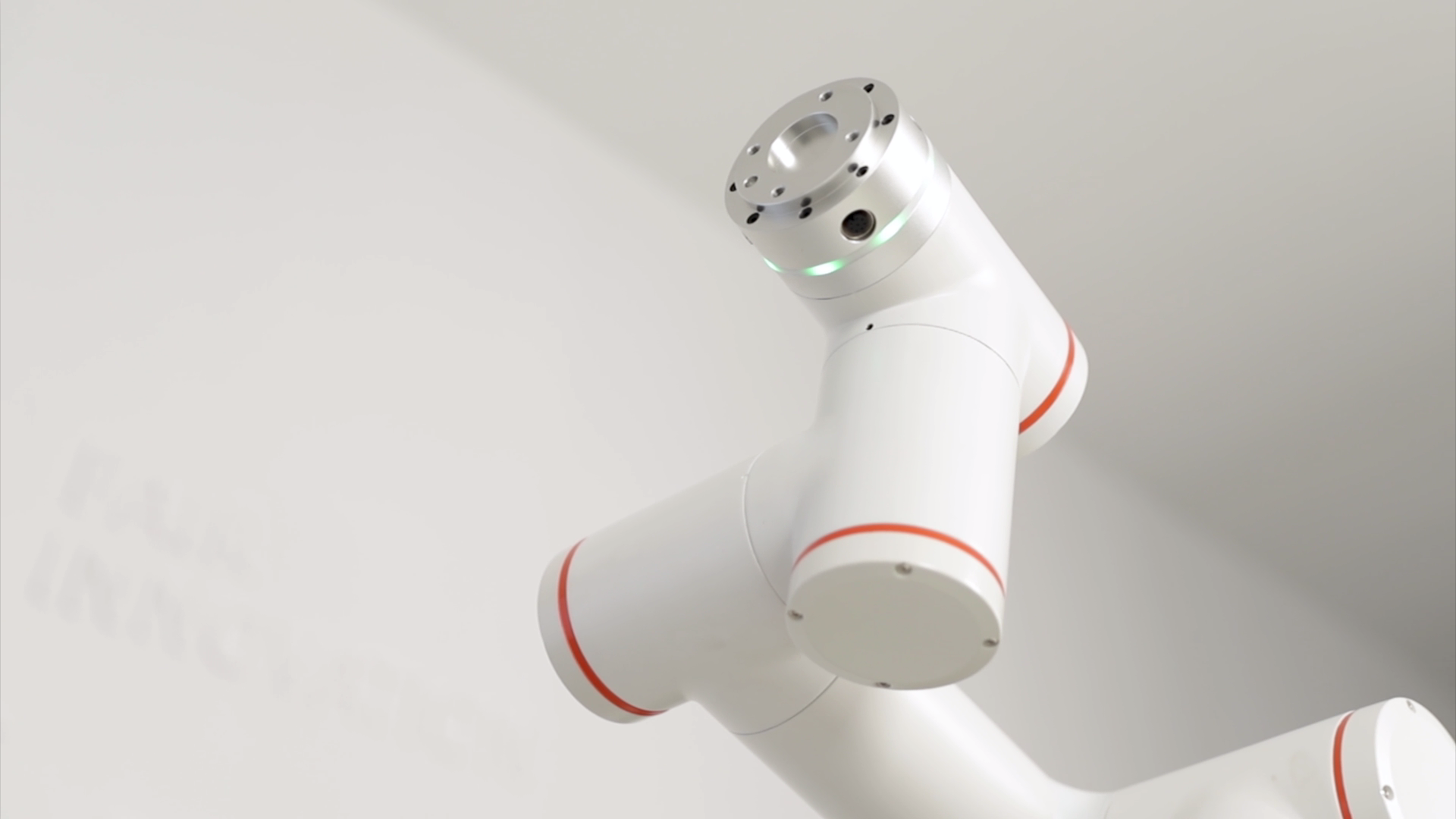
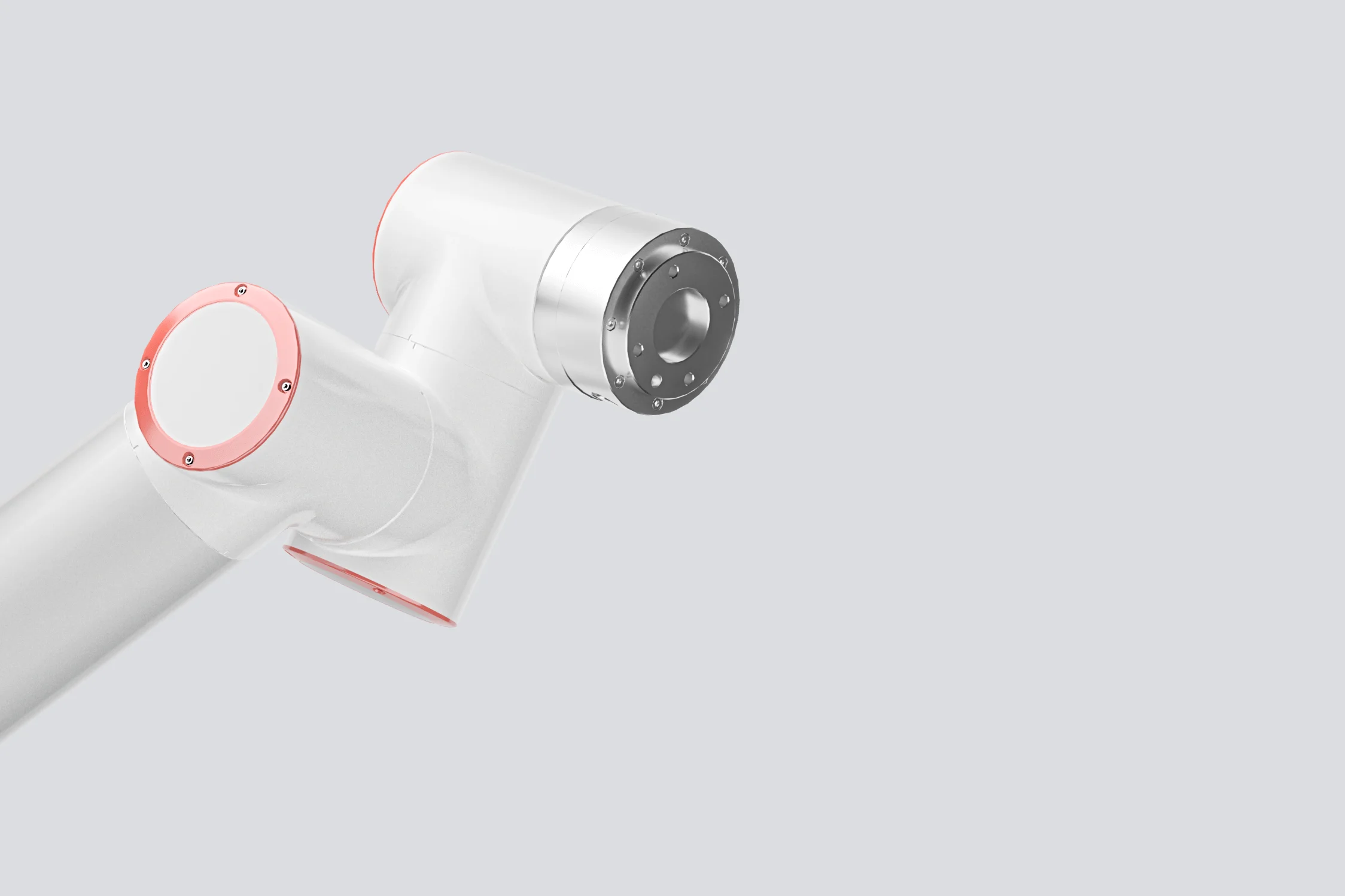
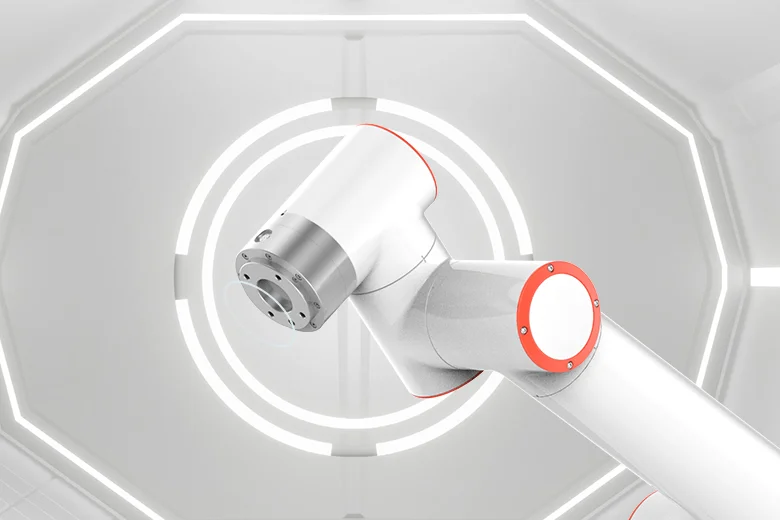
Thanks to core advantages such as a lightweight body, safe human-machine collaboration, no need for safety fences, flexible deployment and simple operation, collaborative robots have achieved large-scale popularization and application in the assembly processes of automotive parts. They are widely applicable to a full range of repetitive assembly stations, including precision press-fitting of interior door panels, instrument panels and seat fasteners for automobiles, precise alignment and assembly of chassis braking, suspension and steering parts, assembly of small accessories for engines and gearboxes, plugging and positioning of automobile lamps and vehicle electronic components, as well as fully automatic screw locking, pre-installation of sealing rings and rubber strip bonding.
Collaborative robots support simple drag-and-drop teaching and rapid programming and commissioning. Production changeovers for new vehicle models and new parts do not require complicated tooling modifications, and program switching and line launch can be completed in a short time, perfectly adapting to the mixed-line flexible production mode of automobile manufacturers. The equipment boasts high repetitive positioning accuracy with controllable assembly force and precise alignment, which effectively avoids quality problems such as manual assembly deviations, fastener cracking and missing screw locking, and greatly improves the consistency and yield rate of product assembly. In addition, the robots can be directly deployed at existing manual production line stations without major workshop layout renovation. A single device can be flexibly allocated to operate at multiple stations, achieving high equipment utilization.
The overall application effectively replaces manual positions with high labor intensity, high repetition and low added value, eases enterprises' labor shortage, reduces labor production costs and rework losses, elevates the automation and intelligence level of assembly production, and empowers auto parts enterprises to realize intelligent transformation and upgrading with quality improvement, cost reduction and efficiency enhancement.